
10 Common Pizza Myths Debunked by Experts


Debunking Pizza Myths: What You Need to Know
Pizza is one of the most beloved foods around the world, yet it is surrounded by a surprising number of myths. Today, we’re here to set the record straight by debunking ten of the most common pizza myths with insights from culinary experts.
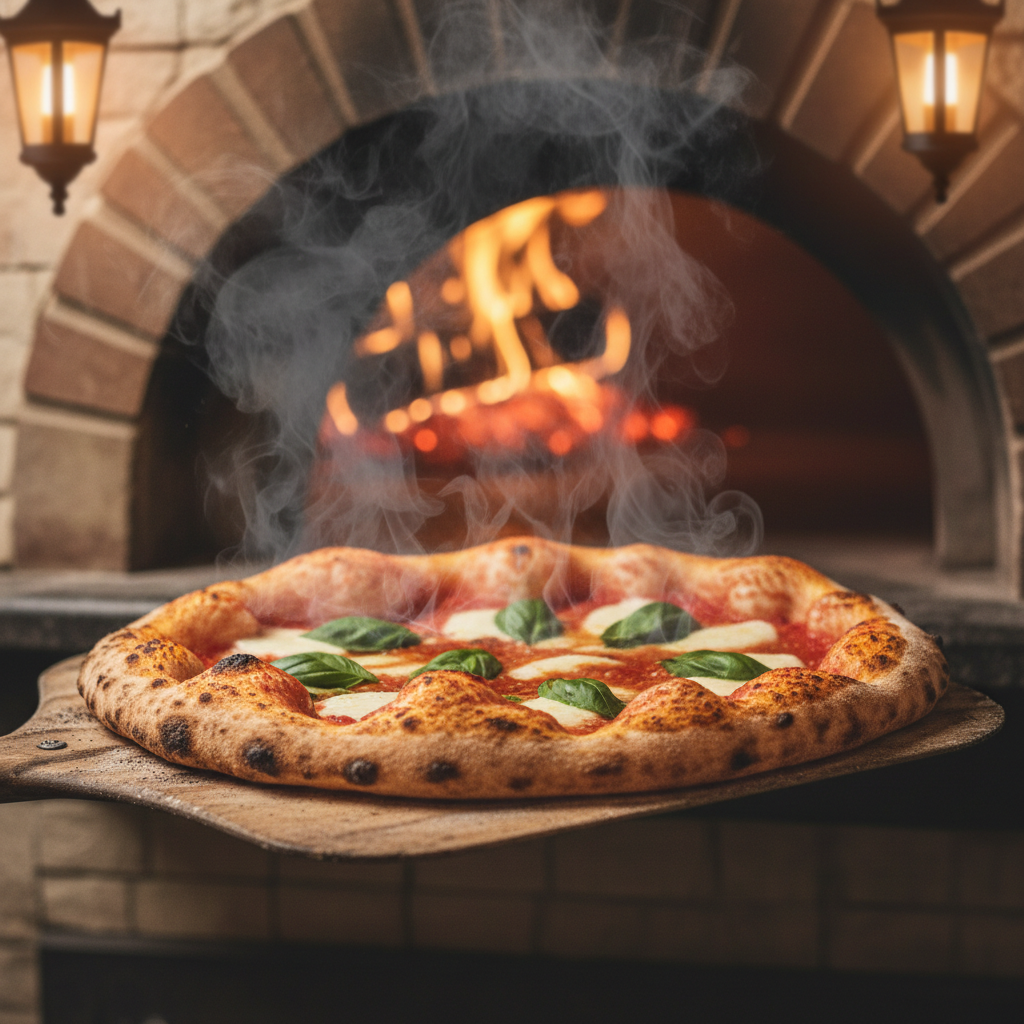
Myth 1: Pizza Originated in Italy
While Italy is renowned for its delicious pizzas, the concept of flatbreads with toppings dates back to ancient civilizations such as Greece and Egypt. Italian pizza, as we know it today, evolved in Naples, but the basic idea has a much older origin.
Myth 2: Thin Crust Is Healthier Than Thick Crust
Many people believe that a thin crust pizza is inherently healthier than a thick crust version. However, the healthiness of a pizza crust depends more on the ingredients used and portion sizes. Whole grain crusts, for instance, can offer more nutritional benefits regardless of thickness.
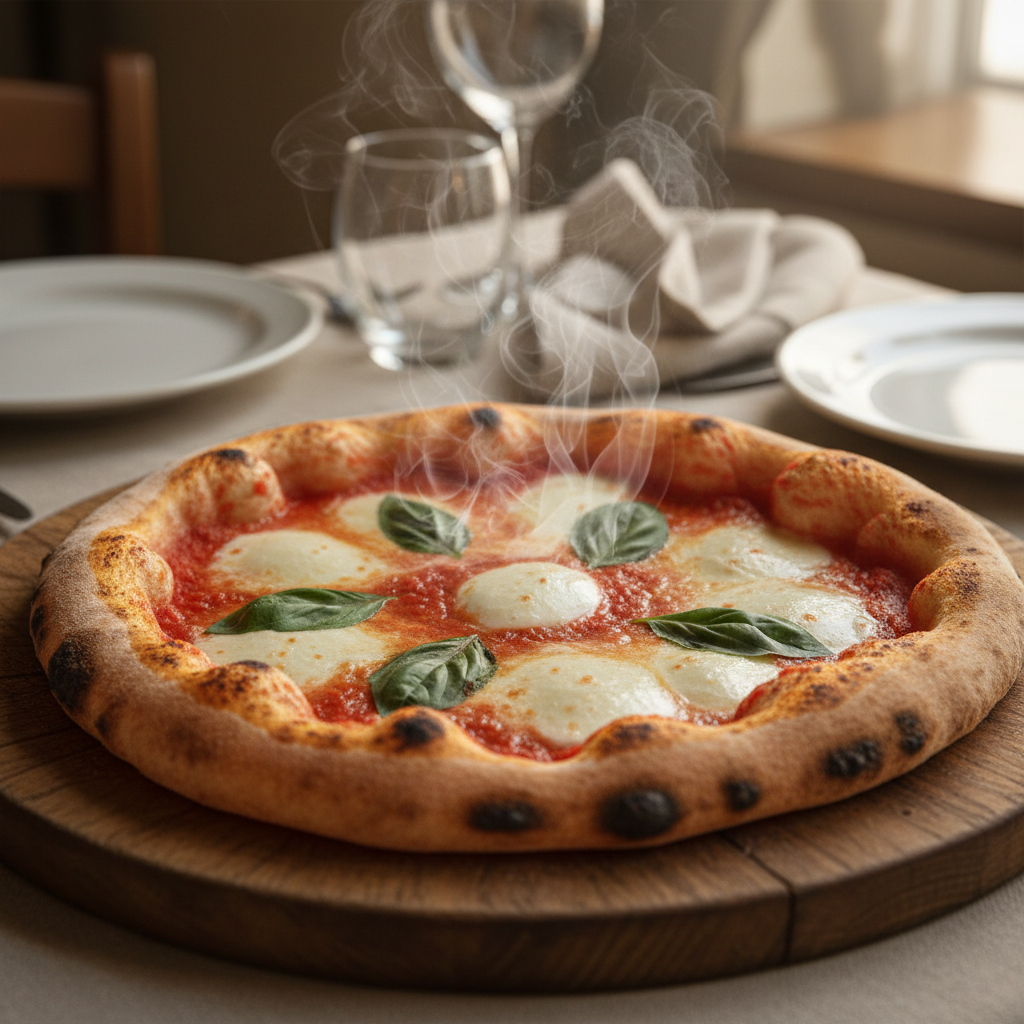
Myth 3: All Cheese Melts the Same
Not all cheese melts the same way, and this affects the texture and flavor of your pizza. Mozzarella is popular for its excellent melting qualities, but other cheeses like provolone, cheddar, or gouda can bring unique flavors to the table.
Understanding Pizza Ingredients
Myth 4: Fresh Ingredients Are Always Better
While fresh ingredients are often preferred, some chefs argue that certain canned or preserved ingredients, like tomatoes, can provide consistent flavor year-round. It’s all about quality and how the ingredients are used.
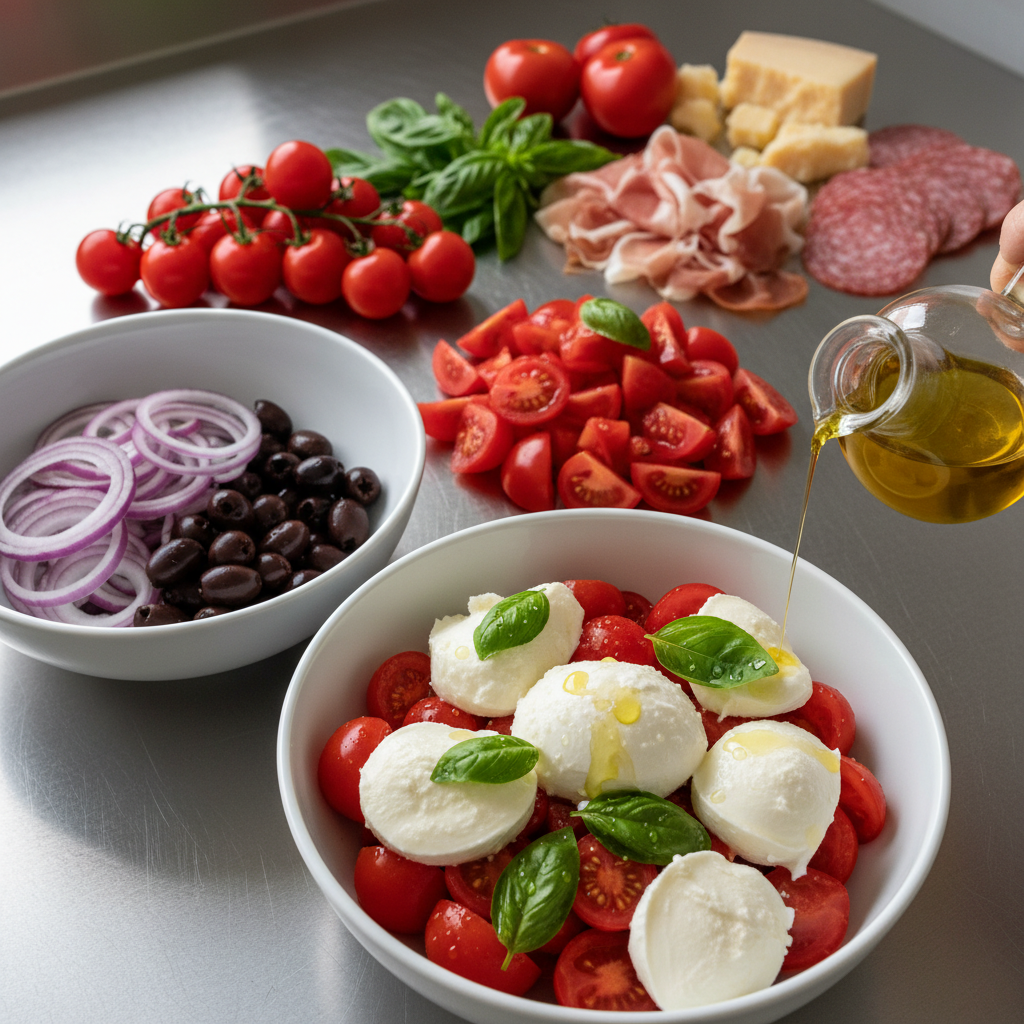
Myth 5: All Pizza Sauces Are Tomato-Based
Tomato sauce is classic, but pizza can be just as delicious with alternative bases such as pesto, alfredo, or even barbecue sauce. Each offers a different taste experience, proving that pizza is incredibly versatile.
Myth 6: Pineapple on Pizza Is an American Invention
The controversial Hawaiian pizza actually originated in Canada. It was created by a Greek immigrant who wanted to experiment with sweet and savory flavors. The result? A pizza topping that continues to divide opinions.
Baking and Serving Insights
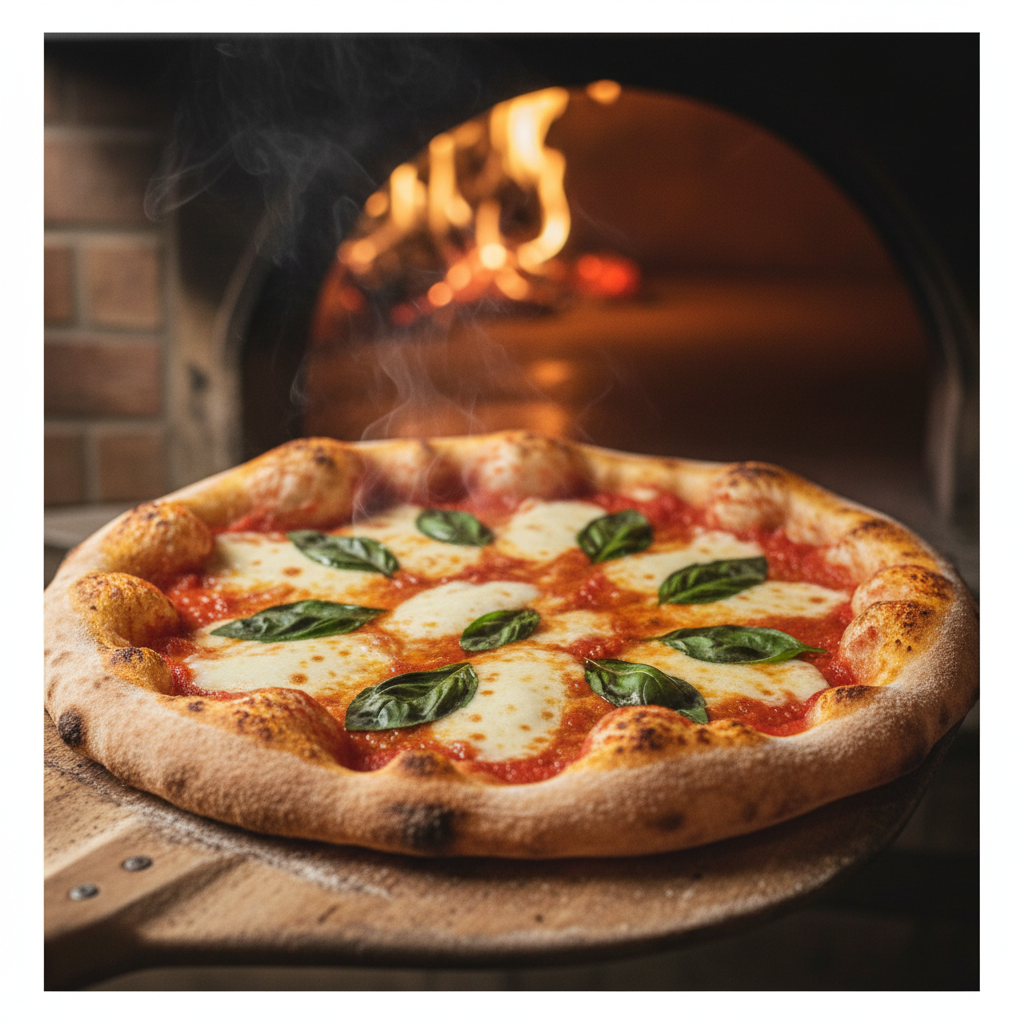
Myth 7: You Need a Pizza Stone for Perfect Pizza
While a pizza stone can help achieve a crisp crust, it's not a necessity. A good baking sheet or a cast-iron skillet can also produce excellent results. It's more about the technique and oven temperature.
Myth 8: Pizza Should Be Served Piping Hot
Although many prefer their pizza hot, some flavors can be more pronounced at room temperature. This is particularly true for gourmet pizzas with delicate toppings.
Dining and Etiquette Myths
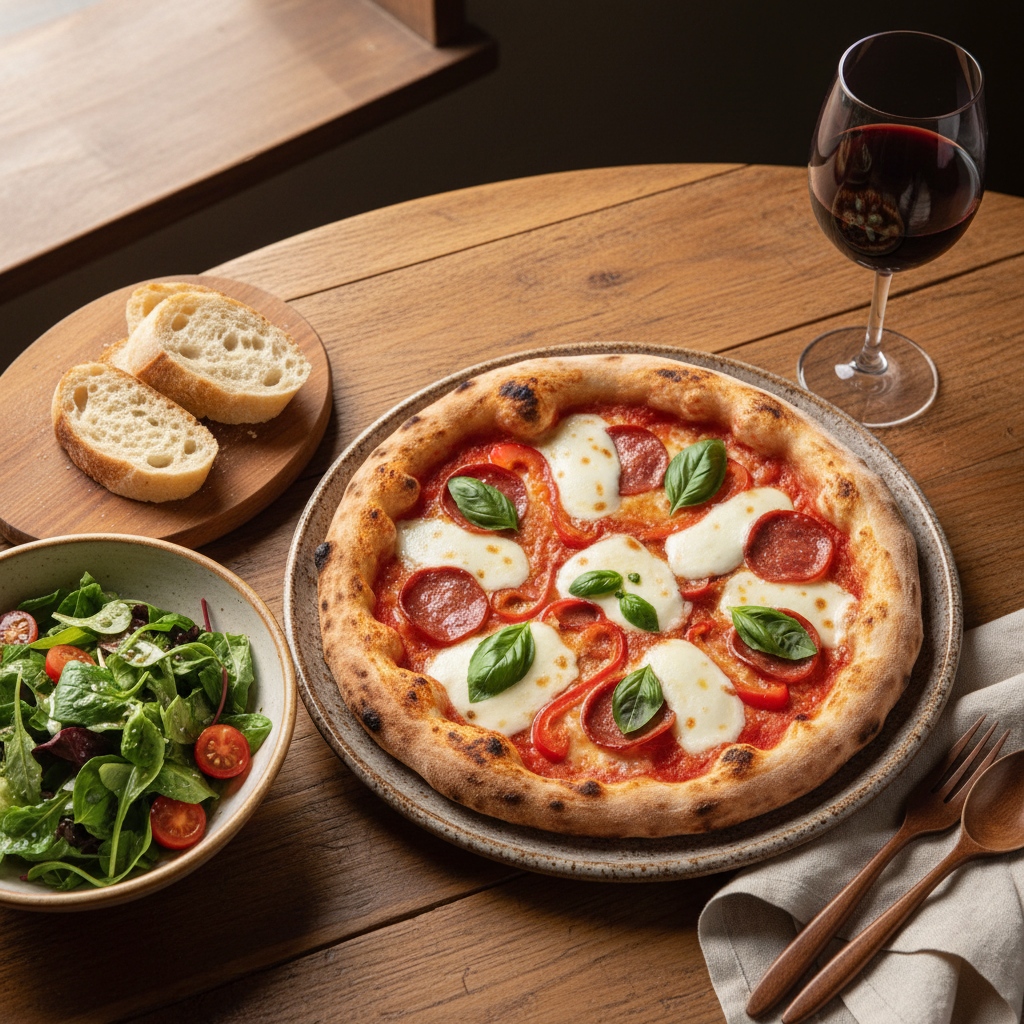
Myth 9: Eating Pizza with a Fork and Knife Is Wrong
In some cultures, particularly in Italy, it's common to eat pizza with utensils rather than hands. It's all about personal preference and the style of pizza being enjoyed.
Myth 10: Leftover Pizza Is Only Good for Breakfast
Leftover pizza is versatile and can be enjoyed at any time of day. Reheating in an oven or skillet can bring back the original taste and texture, making it a great option for lunch or dinner as well.
By debunking these myths, we hope to enhance your appreciation and enjoyment of this beloved dish. Next time you grab a slice, remember that pizza is more than just a meal; it's a culinary experience rich with history and possibilities.