
Behind the Scenes: The Art of Making Authentic Italian Pizza


Italy is synonymous with pizza, a culinary art form that has captured the hearts and taste buds of people worldwide. But what goes on behind the scenes to craft the perfect authentic Italian pizza? Let's explore the secrets that make this dish truly special.
The Foundation: Dough
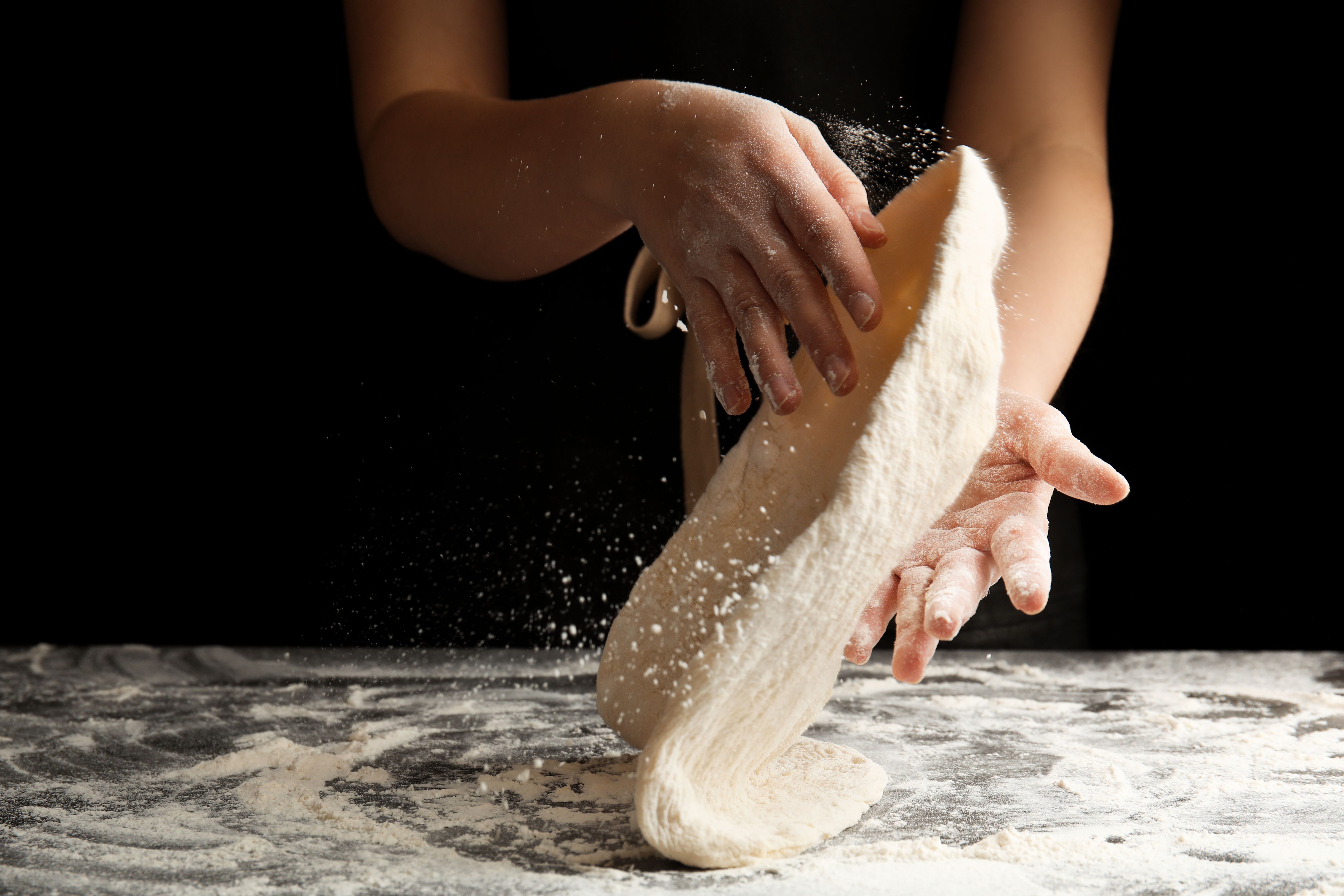
The journey to an authentic Italian pizza begins with the dough. It all starts with simple ingredients: flour, water, yeast, and salt. However, the magic lies in the process. The dough is kneaded until it achieves a smooth, elastic texture, then left to rise slowly, often for up to 48 hours. This slow fermentation develops the dough's flavor and gives it the perfect airy structure.
Flour Matters
Using the right flour is crucial. Authentic Italian pizza makers often use "00" flour, known for its fine texture and high protein content, which contributes to a light, crispy crust. This choice of flour is a key element in achieving the desired consistency and taste.
The Sauce: Simplicity at Its Best
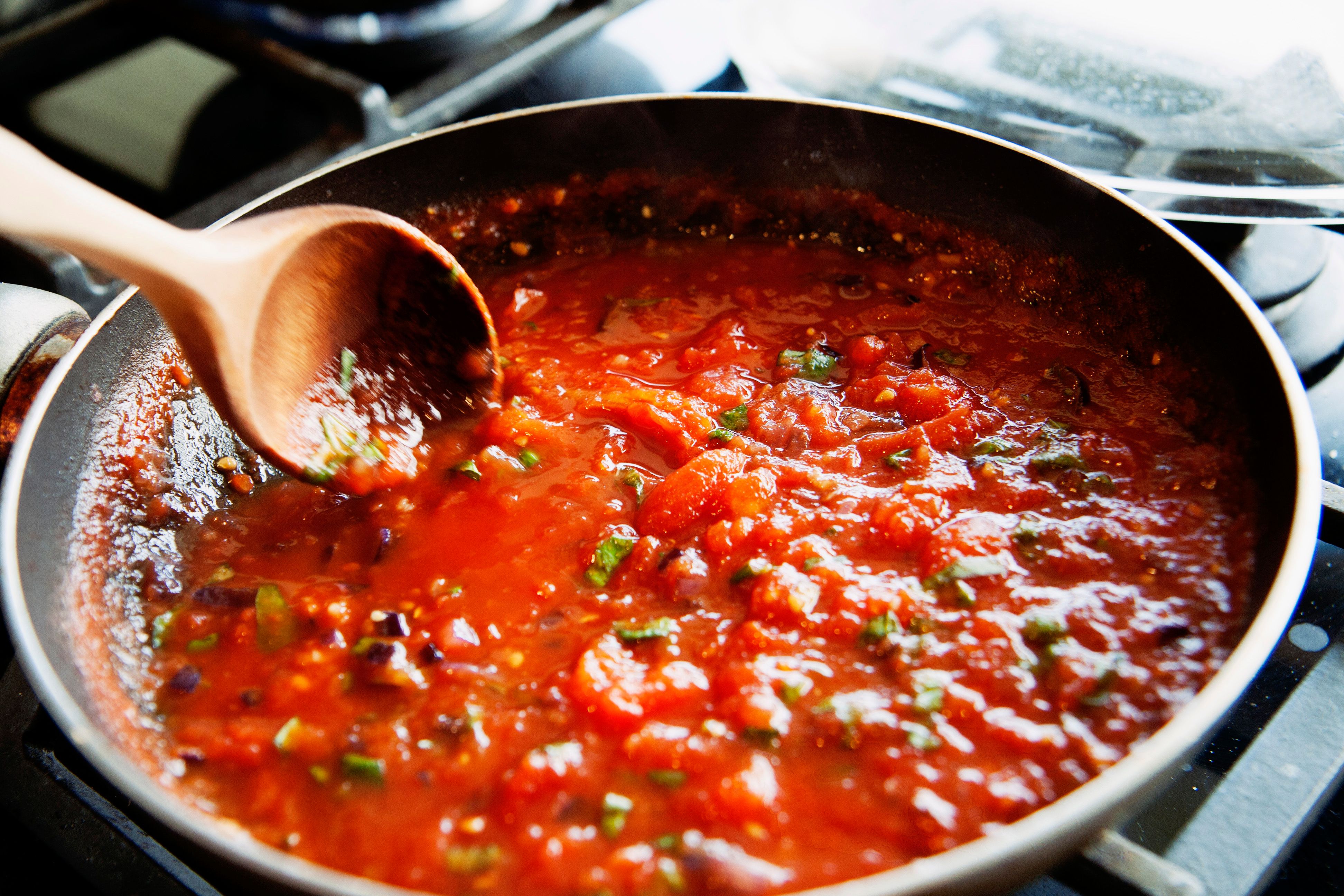
The sauce is another critical component of an authentic Italian pizza. Unlike the heavily seasoned sauces found elsewhere, Italian pizza sauce is simple, often made from fresh tomatoes, a pinch of salt, and a drizzle of olive oil. The goal is to let the natural sweetness of the tomatoes shine through, complementing the other ingredients on the pizza.
The Importance of Fresh Ingredients
Authenticity in Italian pizza is all about quality over quantity. Fresh mozzarella, fragrant basil, and extra virgin olive oil are staples. These ingredients are carefully chosen for their flavor and freshness, ensuring that each bite delivers a taste of Italy.
Cooking: The High-Temperature Secret
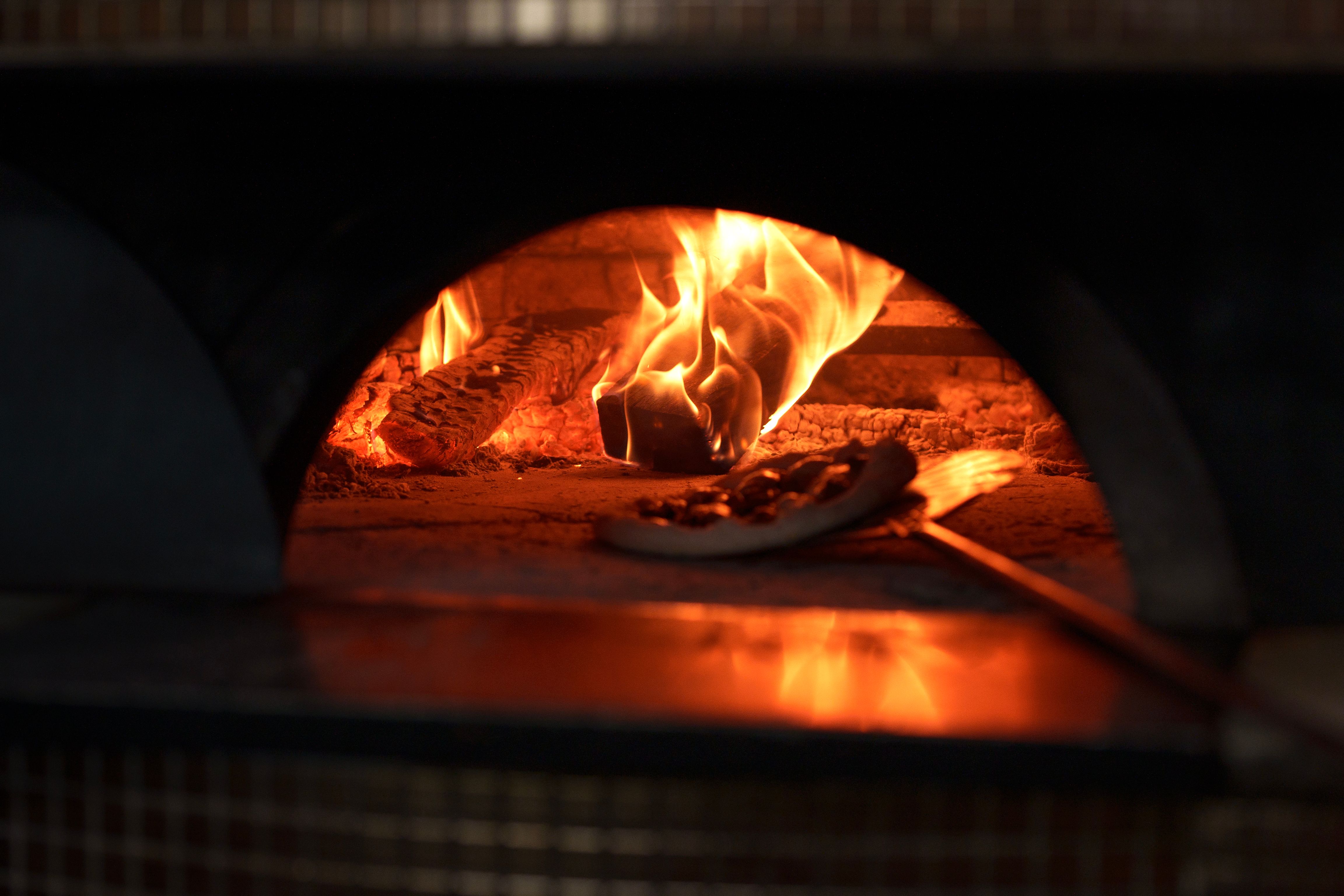
The cooking process is where the magic truly happens. Traditional Italian pizzas are baked in wood-fired ovens at temperatures as high as 485°C (905°F). This intense heat cooks the pizza in just 60 to 90 seconds, creating a perfectly charred crust with a soft, chewy interior.
The Art of Timing
Baking at such high temperatures requires skill and precision. Pizza makers must carefully monitor the pizza, ensuring it cooks evenly without burning. This technique, honed over years of practice, is what separates the amateurs from the masters.
The Finishing Touches
Once out of the oven, a drizzle of olive oil or a sprinkle of sea salt can enhance the flavors of the pizza. Some prefer adding fresh basil leaves or a dusting of Parmesan cheese to elevate the taste even further.
In summary, crafting authentic Italian pizza is an art form that requires dedication, precision, and a deep appreciation for quality ingredients. The next time you enjoy a slice, remember the artistry and passion that go into creating this beloved dish.