
Comparing Pizza Styles: Original Italian Pizza vs. Local Competitors


The Essence of Original Italian Pizza
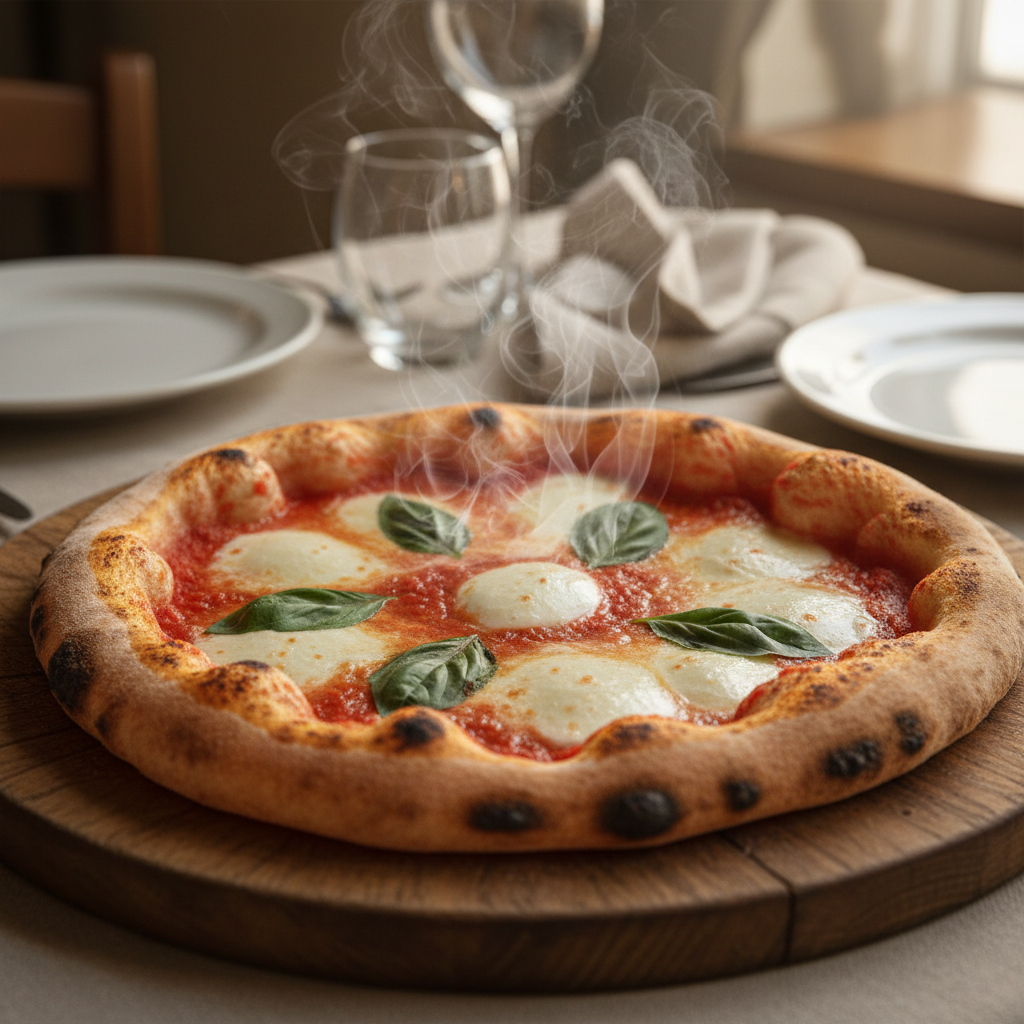
When it comes to pizza, the original Italian version is often the gold standard. Originating from Naples, this style is known for its simplicity and quality ingredients. A true Italian pizza features a thin, slightly chewy crust, a modest layer of tomato sauce, fresh mozzarella, and a sprinkle of basil.
The art of making traditional Italian pizza lies in the details. The dough is crafted from finely milled flour, water, salt, and yeast, and it's given ample time to rise. The result is a crust that's both crispy and pliable, ideal for holding up to the toppings without becoming soggy.
Key Ingredients
Authentic Italian pizza is all about high-quality components. The tomatoes are often San Marzano, known for their sweet flavor and low acidity. Mozzarella di Bufala or Fior di Latte cheese is used for its creamy texture, and fresh basil adds a fragrant touch.
Local Competitors: A World of Variety
Meanwhile, local pizza styles vary widely across the globe. From New York's iconic thin crust to Chicago's deep-dish behemoth, local variations offer a plethora of choices for pizza lovers.
New York pizza, for example, is renowned for its large, foldable slices and thin, crispy crust. It's typically topped with a simple tomato sauce, mozzarella cheese, and a variety of toppings. The secret to its dough lies in the city's unique water composition.
Chicago's Deep-Dish Delight
In stark contrast, Chicago's deep-dish pizza is an entirely different experience. With a thick, buttery crust, it resembles more of a pie than a traditional pizza. The layers of cheese, meat, and chunky tomato sauce make it a hearty meal.
The Battle of Toppings
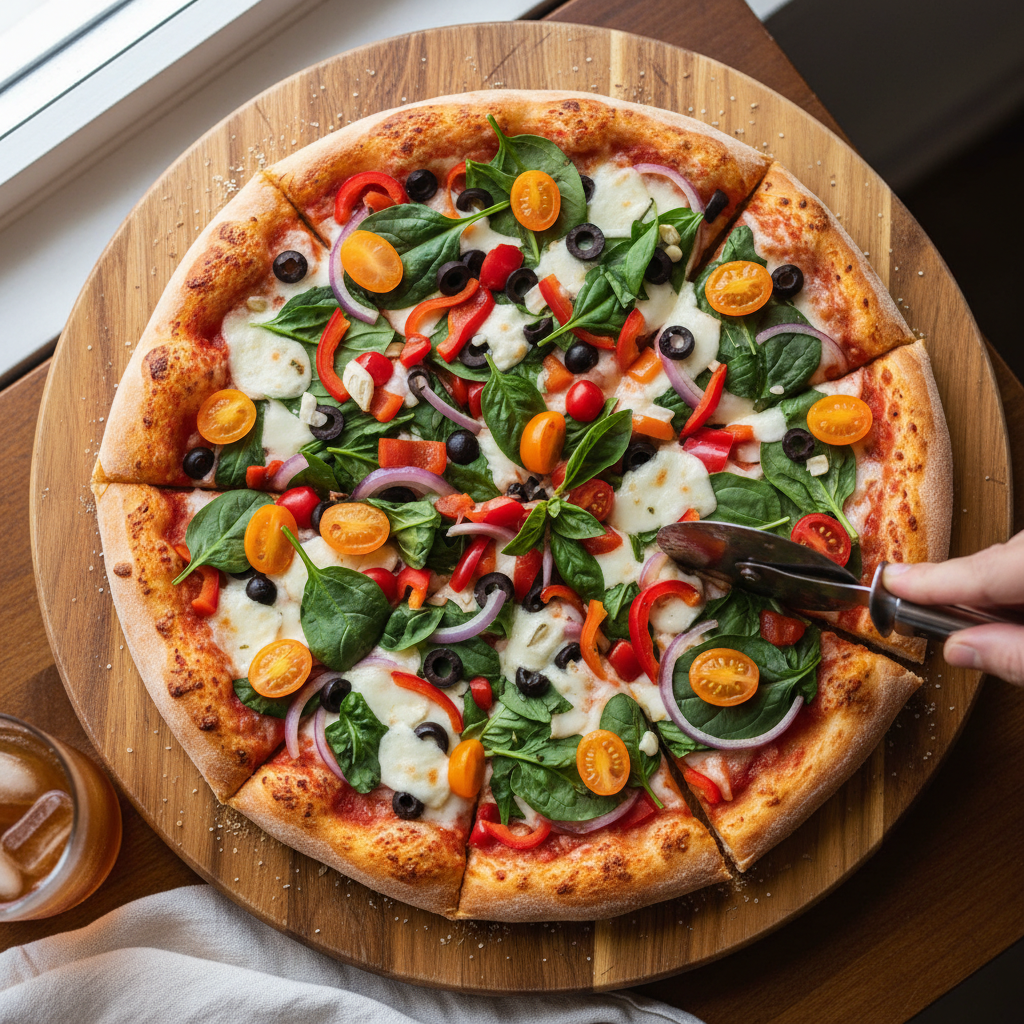
While Italian pizza purists might stick to a few classic toppings, local competitors often embrace variety. From pepperoni and sausage to pineapple and barbecue chicken, the creativity in toppings knows no bounds.
- Italian Pizza: Minimalist toppings, focusing on quality.
- Local Styles: Diverse and plentiful, allowing for customization.
Cooking Techniques
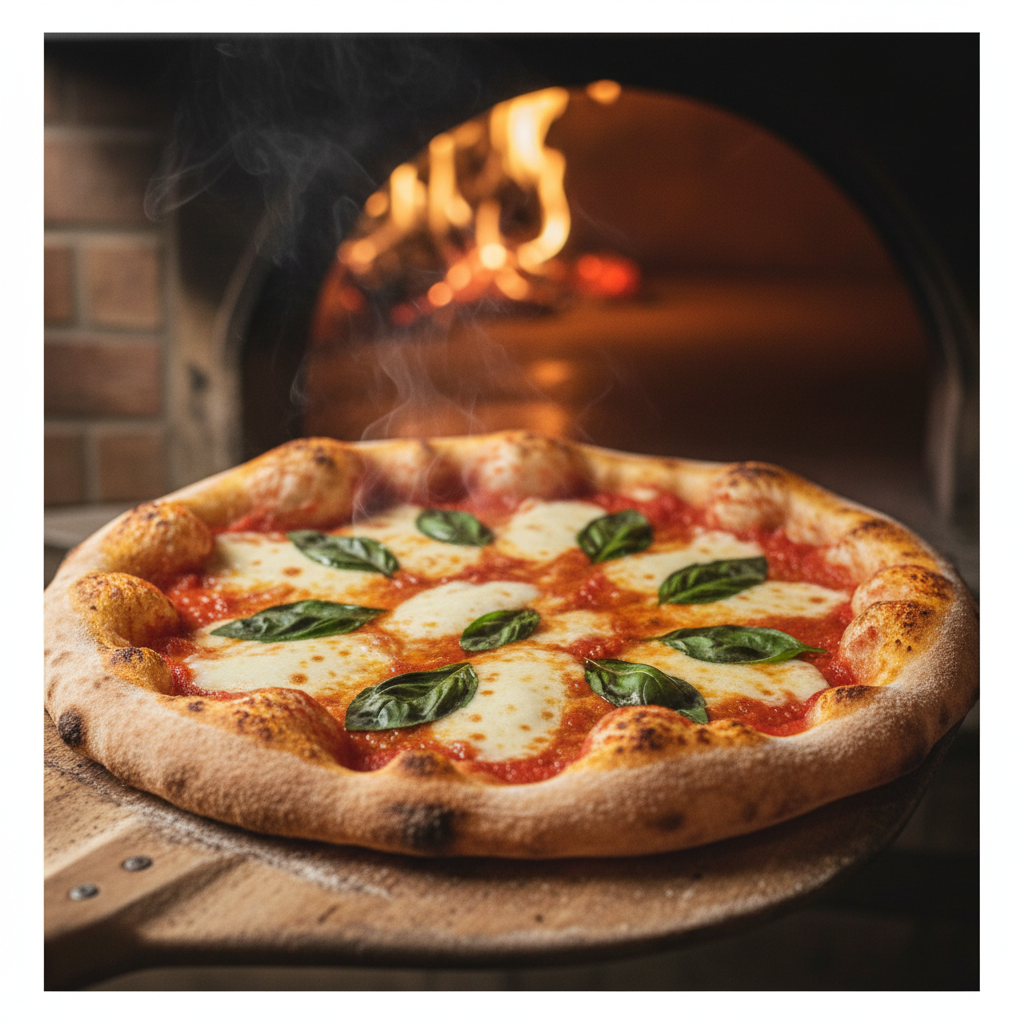
Another distinction lies in the cooking methods. Italian pizzas are traditionally baked in wood-fired ovens at high temperatures, resulting in a unique charred flavor. In contrast, local pizzas might be baked in electric or gas ovens, affecting the final taste and texture.
Whether you prefer the classic simplicity of Italian pizza or the experimental flavors of local varieties, each style brings something unique to the table. Exploring these differences can enhance your appreciation for this beloved dish.