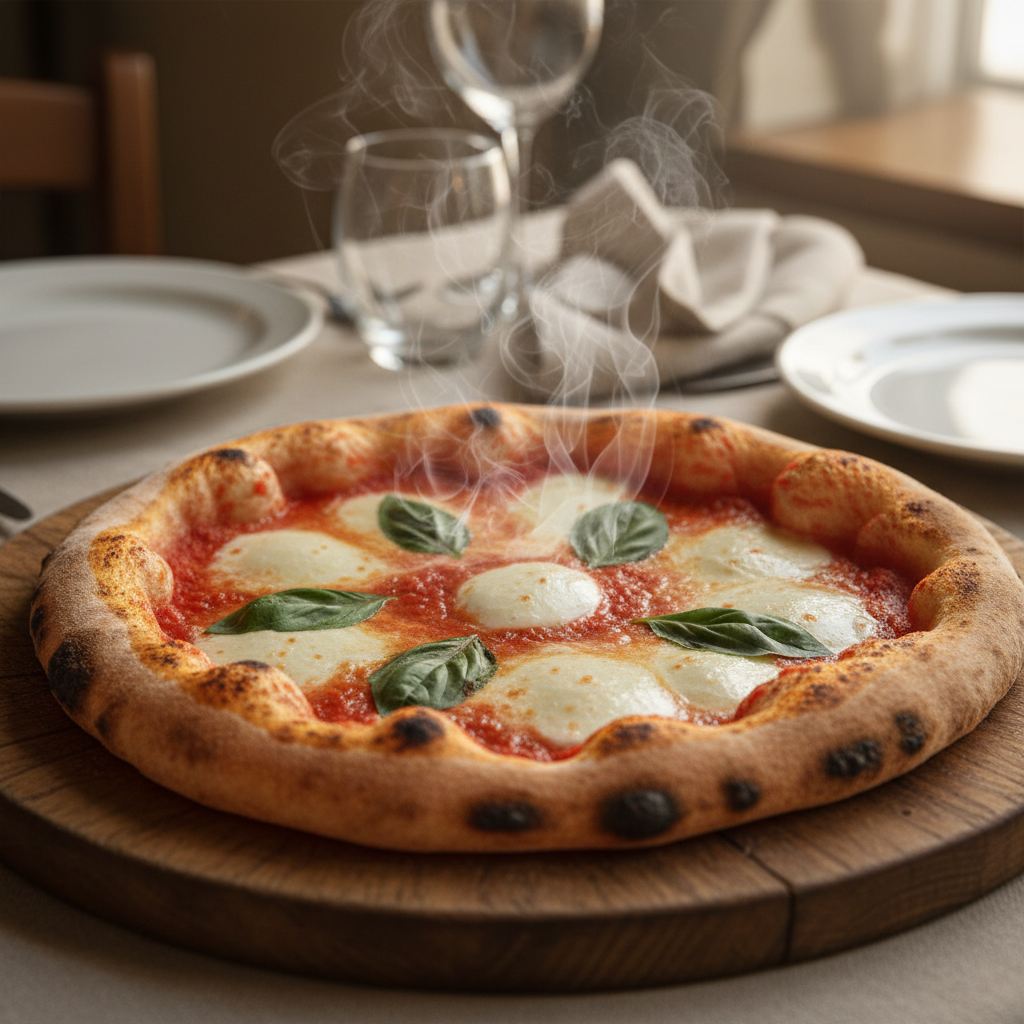
How to Make Traditional Italian Pizza at Home: Tips from Our Chefs


Creating a traditional Italian pizza at home is both an art and a science. It’s about balancing flavors and textures, and with a few expert tips, you can master this classic dish in your own kitchen. Our chefs have shared their secrets to help you achieve that authentic Italian taste without needing to book a flight to Naples.

Choosing the Right Ingredients
The foundation of any great pizza is its ingredients. Start with high-quality flour, preferably Italian Tipo 00, known for its fine texture and ability to create a perfect crust. The sauce should be made from San Marzano tomatoes, which offer the right balance of sweetness and acidity.
For the cheese, fresh mozzarella is a must. Its creamy texture and mild flavor provide the perfect complement to the tomato sauce. Don't forget to use fresh basil leaves, which add an aromatic touch to your pizza. A drizzle of extra virgin olive oil before baking elevates the flavor profile significantly.
Perfecting the Dough
The dough is the heart of your pizza, and getting it right is crucial. Combine your flour with water, yeast, and a pinch of salt, and let it rise for at least 24 hours in the fridge. This slow fermentation process develops the dough’s flavor and texture.
Once your dough is ready, roll it out gently to preserve the air bubbles that create a light and airy crust. Aim for a thin base with slightly thicker edges to achieve that classic Neapolitan style.

The Art of Baking
Baking your pizza at the right temperature is essential. A traditional wood-fired oven reaches temperatures of up to 900°F, but you can replicate this at home by preheating your oven to its highest setting and using a pizza stone to evenly distribute the heat.
Place your pizza on the stone and bake for about 7-10 minutes, or until the crust is golden and the cheese bubbly. Remember, each oven is different, so keep a close eye on your pizza to avoid burning.
Creating the Perfect Sauce
While your dough is rising, take the time to make a simple yet flavorful tomato sauce. Crush San Marzano tomatoes by hand, add a pinch of salt, and a dash of olive oil. You can also include a clove of garlic for an extra kick.
Cook the sauce gently to enhance its flavors but avoid overcooking, which can lead to a loss of freshness. Spread a thin layer over your dough to prevent it from becoming soggy.

Choosing Toppings Wisely
When it comes to toppings, less is more. Traditional Italian pizza focuses on a few, high-quality ingredients. Opt for classic combinations like Margherita, which includes mozzarella, basil, and tomato, or a simple Marinara with garlic and oregano.
Experiment with other authentic options like prosciutto, arugula, or artichokes. Remember, the key is to enhance the flavors without overpowering the base ingredients.
Final Touches and Enjoyment
Once your pizza is out of the oven, let it rest for a minute before slicing to allow the cheese to set slightly. This will make for easier cutting and a better presentation. Drizzle some extra virgin olive oil and sprinkle a bit of sea salt for that final touch of flavor.
Pair your homemade Italian pizza with a glass of Chianti or a refreshing Italian soda, and enjoy the fruits of your labor. With these tips, you're well on your way to bringing a slice of Italy into your home.