
Pizza Myths Debunked: What You Didn't Know About Your Favorite Dish


The Origin of Pizza
Many believe that pizza originated in Italy, but the concept of flatbreads topped with various ingredients has ancient roots. Civilizations such as the Greeks and Egyptians were known to bake flatbreads with toppings long before Italy popularized the modern pizza. The version we recognize today, with tomato sauce and cheese, was developed in Naples in the 18th century.
While Italy is credited with the modern pizza, it's fascinating to see how different cultures have adapted and adopted this beloved dish. From the spicy toppings of Indian naan bread to the savory flavors of Turkish pide, pizza's influence is global.
The Myth of the Perfect Dough
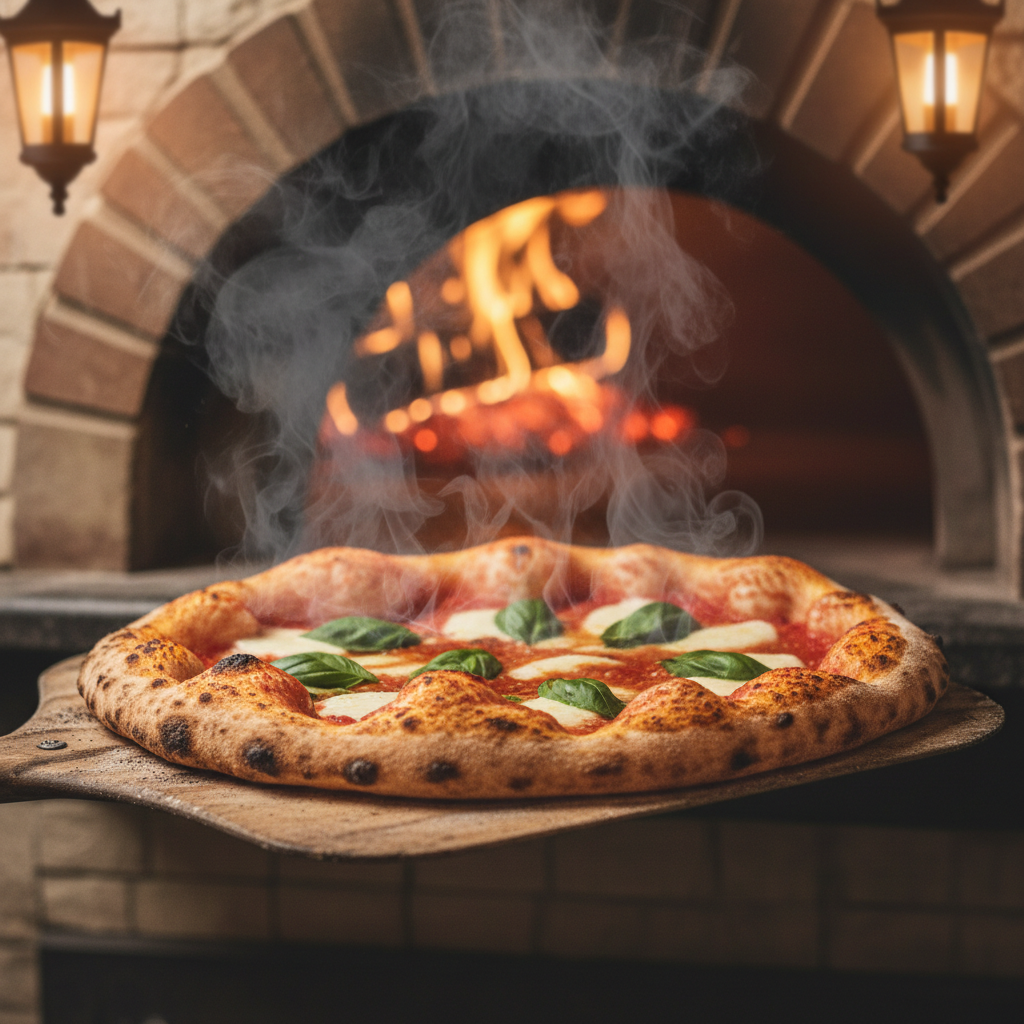
One common myth is that the perfect pizza dough must be made with Italian "00" flour. While this finely ground flour can produce a soft and chewy crust, many pizza chefs achieve excellent results with all-purpose flour or bread flour. The key is not just the flour but also the kneading technique and fermentation process.
Experimenting with different types of flour can yield surprising results. Some chefs add a touch of whole wheat or rye flour for a distinct flavor and texture, proving that there's no one-size-fits-all approach to dough perfection.
Pizza's Nutritional Profile
Pizza often gets a bad reputation as "junk food," but it's all about the ingredients. A pizza loaded with vegetables, lean proteins, and a moderate amount of cheese can be a balanced meal. The crust, sauce, and toppings can be customized to fit dietary needs, including gluten-free and vegan options.
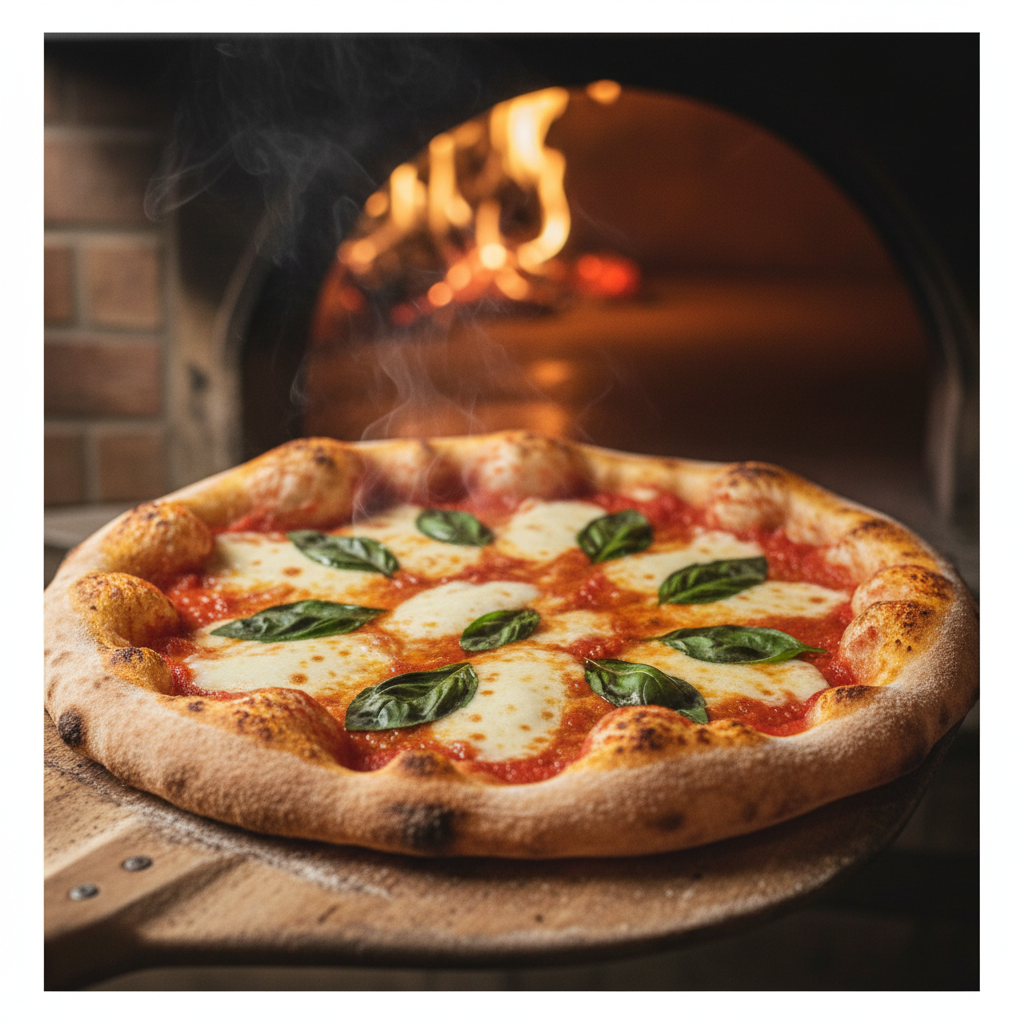
Homemade pizza allows for control over the ingredients, making it easier to enjoy a healthier version. By opting for a thin crust, using fresh tomato sauce, and loading up on veggies, pizza can become a nutritious choice.
Debunking Frozen Pizza Myths
Frozen pizza often gets a bad rap, but advancements in freezing technology have improved its quality significantly. Many brands now offer options with organic ingredients, gluten-free crusts, and even cauliflower bases.
While fresh pizza is often preferred, frozen pizza can be a convenient and tasty alternative. It's essential to read labels and choose options with minimal preservatives and artificial ingredients to ensure the best quality.
Pizza Toppings: Traditional vs. Modern
Traditionalists might argue that only certain toppings belong on a pizza, but modern takes have expanded the possibilities. From pineapple to truffle oil, the variety of toppings available today reflects global influences and personal preferences.
Experimentation with toppings has led to exciting flavor combinations, such as BBQ chicken or avocado and smoked salmon. The beauty of pizza lies in its versatility, allowing for endless creativity.
- Margherita
- Pepperoni
- BBQ Chicken
- Veggie Delight
- Pineapple and Ham