
Understanding the Art of Pizza Dough: A Beginner's Guide


The Basics of Pizza Dough
Pizza dough is the foundation of every great pizza. Understanding its components and how they work together is essential for any aspiring pizza maker. At its core, pizza dough consists of four primary ingredients: flour, water, yeast, and salt. Each ingredient plays a crucial role in the dough's texture, flavor, and rise.
Flour provides the structure. Most recipes call for high-protein flour, like bread flour, which gives the dough its elasticity. Water hydrates the flour, activates the yeast, and helps with gluten formation. Yeast is the magic ingredient that makes the dough rise, while salt adds flavor and strengthens the gluten.
Choosing the Right Flour
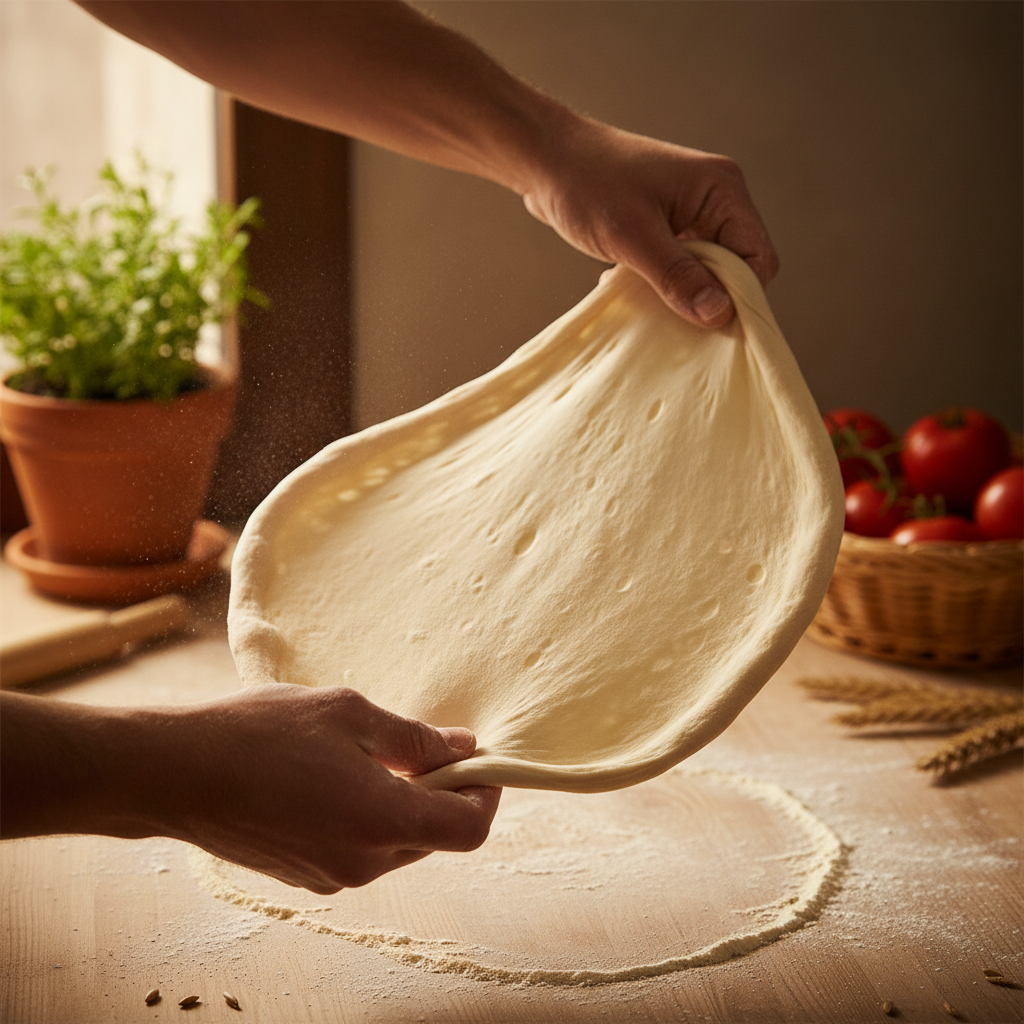
Choosing the right flour is a critical step in making pizza dough. The protein content in flour determines the dough's elasticity and chewiness. Bread flour, with its higher protein content, is often preferred for a chewier crust. All-purpose flour can also be used for a softer, more tender crust.
Experimenting with different flours can lead to discovering your perfect pizza dough texture. Some enthusiasts even mix different flours to achieve a unique balance. Don't be afraid to try variations to find what suits your taste best.
The Importance of Kneading
Kneading is an essential process that develops the dough's gluten network, contributing to its structure and chewiness. By kneading the dough, you ensure that the gluten strands are aligned, which helps the dough rise evenly.

Start by mixing the ingredients until they form a sticky ball. Turn the dough onto a floured surface and begin kneading. Use the heel of your hand to push the dough away, fold it back, and repeat. Knead for about 8-10 minutes until the dough is smooth and elastic.
Letting the Dough Rise
After kneading, it's crucial to let the dough rise. This process, known as fermentation, allows the yeast to produce gases, giving the dough its airy texture. Place the dough in a lightly oiled bowl, cover it with a damp cloth, and let it rise in a warm place.
The rising time can vary, but generally, it takes about 1 to 2 hours for the dough to double in size. For a more flavorful dough, consider a slow fermentation by refrigerating it overnight. This enhances the flavor and texture of the final crust.
Shaping Your Pizza
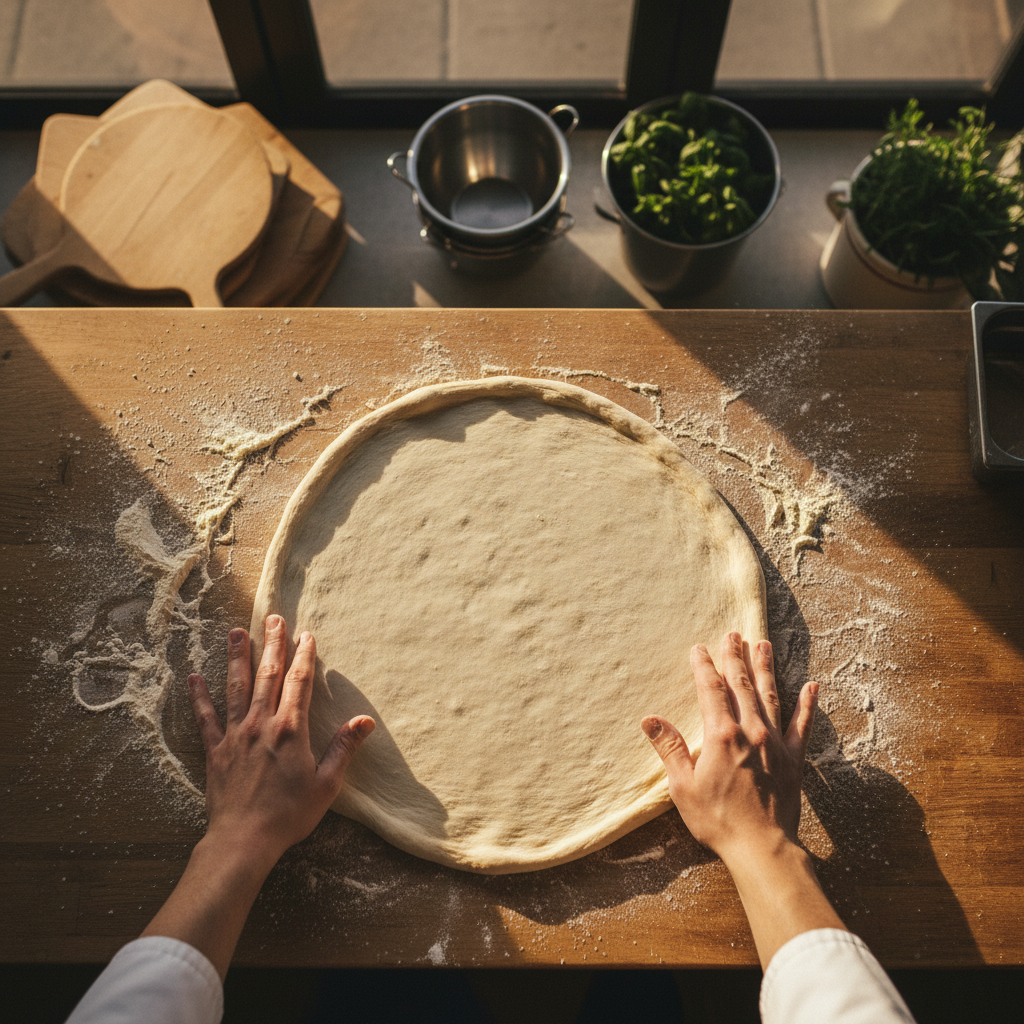
Once the dough has risen, it's time to shape it. Gently punch down the dough to release excess gas and divide it into portions. Use your hands to stretch and shape the dough into a round, starting from the center and working your way out.
For a classic thin crust, aim for an even thickness. If you prefer a thicker crust, leave a bit more dough around the edges. Don't worry if the shape isn't perfect—rustic pizzas have their own charm!
Final Tips for Perfect Pizza Dough
Here are some additional tips for mastering pizza dough:
- Always use fresh yeast for the best results.
- Adjust water content depending on humidity and flour type.
- Practice makes perfect—don't be discouraged by initial failures.
Remember, making pizza dough is an art that improves with practice and experimentation. Enjoy the process, and savor the delicious rewards of your efforts!